
By Christa Clasgens, West Virginia Highlands Conservancy
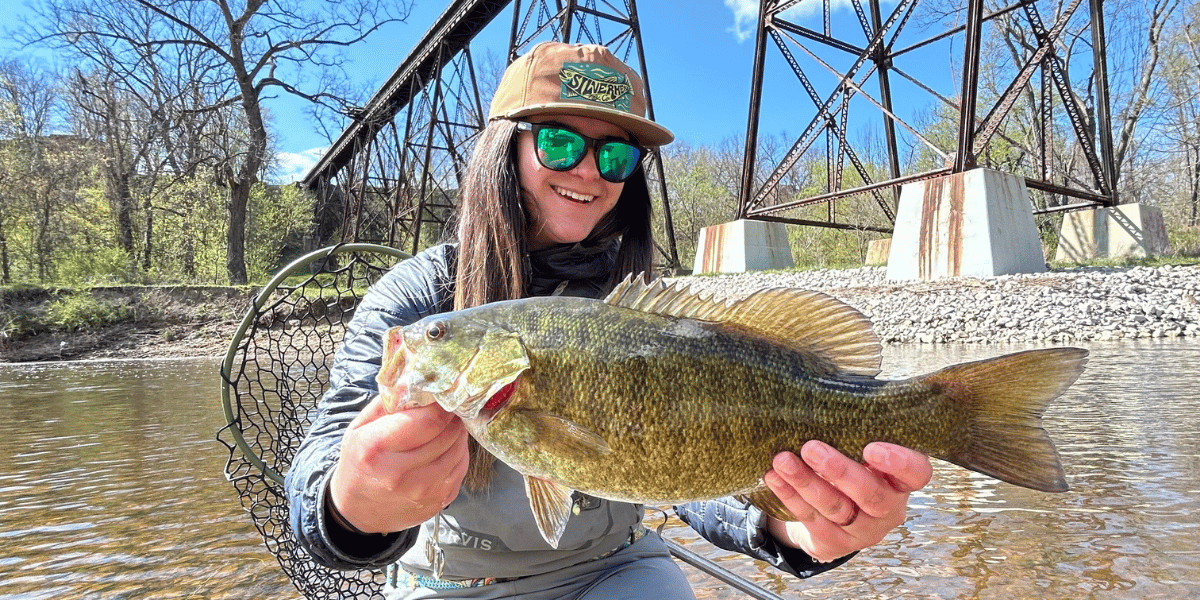
During the spring, a remarkable process unfolds in rivers and streams across West Virginia as many native fish species enter their spawning cycles. While some species spawn in the fall, others — including the Smallmouth Bass — begin spawning in the spring, when warming waters and longer days signal the return of seasonal activity.
Smallmouth Bass typically spawn from April through June. During this period, the fish become more territorial, aggressive and protective as they guard nests and remain close to spawning areas to ensure reproductive success. For anglers across the Mountain State, the season is considered one of the best times of year to fish for Smallmouth Bass, particularly for those hoping to land a trophy-sized catch after spending long hours on the water.
Unlike Largemouth Bass, Smallmouth Bass are most commonly found in rivers and streams with moderate to strong currents. They prefer rocky riverbeds, gravel bottoms and large submerged rock structures that provide shelter and feeding opportunities. During spawning season, anglers can often locate Smallmouth Bass in shallow to moderately deep waters near eddies, depressions in the riverbed and areas directly behind large rocks where currents slow.
West Virginia is home to several waterways known for quality Smallmouth Bass fishing, including portions of the New, Greenbrier, Elk and South Branch Potomac rivers. Although overall populations remain stable in many areas, larger Smallmouth Bass — generally measuring between 17 and 22 inches — are becoming increasingly uncommon. Fisheries experts attribute this trend to several environmental factors, including shorter growing seasons, habitat limitations and rising water temperatures.
Extended periods of drought and increasingly hot summer conditions can place additional stress on the species. Warm water temperatures reduce oxygen levels in rivers and streams, making it more difficult for fish to feed, reproduce and survive. In some cases, prolonged environmental stress can impact the long-term health of local Smallmouth populations and reduce the number of fish reaching older, larger sizes.
Conservationists and anglers alike encourage responsible fishing practices to help maintain healthy Smallmouth Bass populations for future generations. Anglers should refrain from targeting Smallmouth Bass when water temperatures exceed 68 degrees, as warmer water increases stress on the fish after they are caught and released. If caught, fish should be handled carefully, kept in the water as much as possible and released quickly after landing.
Beyond their popularity among anglers, Smallmouth Bass play an important role in maintaining balanced river ecosystems throughout West Virginia. As a native species, they contribute to the health of waterways and serve as indicators of overall river conditions. Responsible stewardship from the fishing community can help ensure these fish continue to thrive in West Virginia’s rivers for years to come.