By Jordan Howes, West Virginia Highlands Conservancy
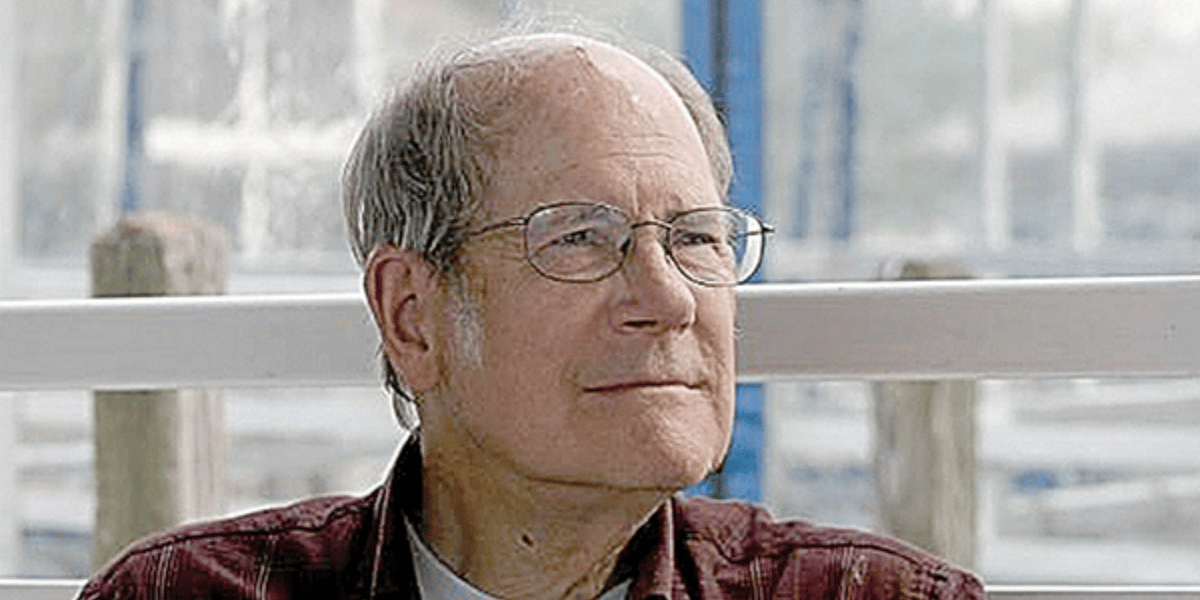
The West Virginia Highlands Conservancy mourns the passing of William Price “Bill” McNeel, a longtime board member, founding member and steadfast friend of the organization. Bill passed away on October 29, 2026, at the age of 87. His life was deeply rooted in the mountains, history and communities of West Virginia, and his many years of service helped shape the Conservancy from its earliest days.
It is difficult to say exactly when Bill first became involved with the West Virginia Highlands Conservancy. As a 2018 article in The Highlands Voice observed, his service began “approximately forever ago.” What is certain is that his presence was felt across decades of the Conservancy’s work. He was among those who helped build the organization and remained a thoughtful and committed voice through generations of conservation challenges.
Bill’s contributions reached across the breadth of the Conservancy’s work. He advocated in Washington, D.C., for federal protection of the Cranberry Wilderness in the early 1980s, worked with the Shavers Fork Coalition in the 1990s and contributed to efforts involving the Greenbrier River and public lands. He also helped oppose unnecessary gas pipeline construction through the Greenbrier River. Whether addressing a major public lands issue or helping plan the Conservancy’s 50th anniversary celebration, Bill brought a careful, informed perspective to the work.
Bill was not someone who sought the spotlight. His influence was often felt behind the scenes, through his thoughtful questions, steady involvement and willingness to share his knowledge. As Cindy Rank wrote in 2018, Bill was “part of the glue that has held the organization together all these years.” That description remains an apt tribute. Organizations like ours depend not only on the people whose names appear in headlines, but also on those who quietly give their time, wisdom and commitment year after year.
Bill’s deep roots in Pocahontas County gave him a special understanding of West Virginia’s history, people and landscapes. A seventh-generation McNeel in the county, he carried a lifelong interest in the stories that shaped the region. He served as editor of The Pocahontas Times for 25 years, following a family tradition at the newspaper that stretched back to 1892. He was also a respected local historian, author and longtime champion of the Pocahontas County Historical Society. His research and writing preserved important stories about the region’s railroads, timber industry, forests, communities and the Greenbrier River.
That knowledge was inseparable from his commitment to conservation. Bill understood that protecting West Virginia’s mountains and rivers meant protecting more than scenery. It meant preserving the history, character and sense of place that make these communities special. He recognized the importance of wild places not only for those who enjoy them today, but also for the generations who will follow.
In a 1982 Washington Post story about the effort to protect the Cranberry Wilderness, Bill offered a reflection that captures the values behind his conservation work: “Wilderness is a necessity for modern man, to remind him that he’s part of nature, and not above it.” He explained that he was advocating for wilderness protection for his descendants. It was a simple statement, but one that expressed a lasting vision of responsibility to the future.
Bill’s service extended well beyond the Highlands Conservancy. He helped establish and sustain numerous local and state organizations, including the Pocahontas County Historical Society, the Marlinton Railroad Depot and the Watoga State Park Foundation. He volunteered with the Marlinton Rescue Squad, served his church and school community, and contributed to the preservation of places that hold deep meaning for Pocahontas County.
In 2018, when Bill stepped away from the Conservancy’s board, we expressed our hope that he and his wife, Denise, would stay in touch and continue sharing their wisdom with us. His influence, however, was never limited to a board seat or an official title. The knowledge, care and commitment he brought to the organization remain part of its foundation.
We are grateful for Bill’s many years of service, for his quiet leadership and for the example he set. He loved West Virginia and understood the importance of caring for its mountains, rivers, forests and communities. His work reminds us that conservation is a long effort, built by people willing to show up, contribute what they know and keep working for the future.
We extend our heartfelt condolences to Denise, James, John and all of Bill’s family and friends. We will remember Bill with gratitude and affection, and we will carry forward the work to which he gave so much of his life.