By Andrew Young, Staff Attorney, Allegheny-Blue Ridge Alliance (ABRA)
A little over a mile of road through the Monongahela National Forest could determine whether Rocky Run Mine reopens. In our previous litigation, South Fork Coal Company’s own manager told a federal court that the mine would have to close without that crossing. Now Clearco Processing Corporation wants to use it for another ten years.
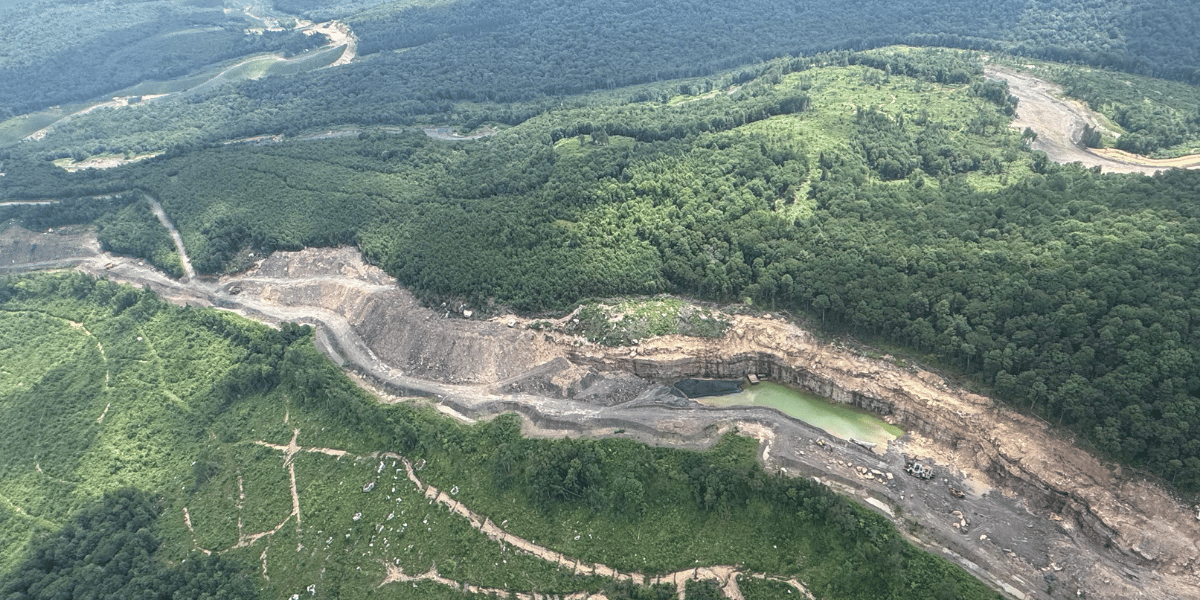
South Fork’s bankruptcy left unreclaimed mines across the Cherry River watershed. Clearco and Aurevo Resources are trying to restart the operation, and we’ve been challenging the permit transfers and proposed use of the forest roads. I would much rather be writing about the cleanup. Instead, we’re back to arguing with agencies that seem more interested in getting the trucks moving than dealing with the damage already done or complying with federal law.
In late September, ABRA submitted 50 pages of comments and more than 2,000 pages of exhibits on behalf of our partner organizations, opposing the Forest Service’s proposed road permit. The exhibits bring together years of inspection reports, photographs, stream measurements and sworn statements. We’re putting that evidence into the record now to support a formal objection and, if necessary, another federal lawsuit.
Our coalition remains strong: West Virginia Highlands Conservancy, ABRA, Appalachian Voices, the West Virginia Chapter of the Sierra Club, Center for Biological Diversity and Appalachian Mountain Advocates. Thank you to everyone who submitted comments. We know this takes time, and we appreciate your persistence.
Two roads, different risks:
Forest Road 249 would carry coal from Rocky Run to the preparation plant in Clearco. The proposal allows trucks weighing up to 125 tons fully loaded. The public, meanwhile, would lose access to that road and the adjacent national forest land for the entire ten-year permit term.
Forest Road 223, beside Bear Run, would likely not carry coal under this proposal. It would carry equipment, diesel, gasoline, hydraulic fluid, waste oil and explosives used in blasting. An industrial fuel or chemical spill could reach Bear Run and travel into the North Fork Cherry, Richwood’s drinking-water source. The absence of coal trucks on FR223 does not make this a harmless use of a forest road.
Both forks contain critical habitat for the endangered candy darter, and the watershed supports native brook trout. Traffic and grading on either road can send more sediment into streams already struggling with it.
Clearco claims other routes could get coal out of Rocky Run. We’ve asked for the evidence, especially given South Fork’s sworn statement that it needed this crossing. The Forest Service has accepted Clearco’s claim and left the mine’s impacts out of its environmental review. Our position remains that Rocky Run cannot operate profitably without the forest crossing. The agency cannot simply assume otherwise and avoid examining the blasting, excavation and polluted runoff its permit would enable. Our comments explain why we believe the mine and its access roads must be reviewed together under federal environmental law, despite the Supreme Court’s 2025 Seven County ruling on separate projects.
What the records show:
Longtime WVHC member Rick Webb analyzed the Forest Service’s own streambed measurements and graphed the results. In all three Bear Run sampling years available to us—2011, 2016 and 2021—sediment smaller than one millimeter exceeded the level the Forest identifies as harmful to coldwater fisheries. Fine sediment fills the spaces in gravel where fish lay their eggs. The measurements don’t tell us where the sediment came from, but they make clear why adding more is a concern.
The Forest Service did not use those measurements in its environmental assessment. Yet it concluded that receiving streams could absorb additional sediment from the project. How does the agency reach that conclusion without accounting for the sediment its own staff already found?
Our exhibits also document damaged roads, failed sediment controls and coal spills under South Fork. The Forest’s latest monitoring report shows improvements in water-quality safeguards, but nearly one in four evaluations across the forest still scored “poor.” Another promise to maintain the roads is not enough. Who will inspect the controls, and how quickly will failures be fixed?
During the comment period, the Forest Service withheld its biological assessment and supporting aquatic analysis, calling them drafts while consultation with the Fish and Wildlife Service continued. We requested those records and newer stream data. We should not have to chase down the science behind a proposal to use the public lands that we own.
This creates a real problem for anyone trying to participate. We are expected to raise our objections during the comment period, yet important information supporting the agency’s conclusions is unavailable. We’ve asked for its release and time to review it before a decision. Public comment should mean more than guessing what is in documents the government won’t share.
DEP leaves out the ending:
The West Virginia Department of Environmental Protection’s September response to our permit-transfer complaint was particularly frustrating. DEP claimed the federal shutdown order for Road 249 “should have been terminated” after South Fork received a favorable mining-rights decision in July 2025.
That leaves out what happened to the decision. We appealed and asked the Interior Board of Land Appeals to put it on hold. Federal rules delayed its effect while our timely stay request was pending. Before the Board ruled on that request, the Forest Service terminated the road-use permit on which the mining-rights decision depended.
The Board later confirmed that the decision had expired. It dismissed our appeal because the approval was no longer in effect, not because it upheld South Fork’s rights. In the separate shutdown-order case, South Fork’s challenge was dismissed and its temporary relief ended. The federal mining agency confirmed in July that the shutdown order remained in force.
DEP’s response reads more like an argument for the company than an explanation of how the law will be enforced. The old approval is gone, and it never took effect. Disagreeing with the federal shutdown order does not lift it, and Clearco does not get to inherit rights that no longer exist. DEP once again appears to be working toward a predetermined outcome instead of focusing on complying with federal law.
Another chance to speak up:
Appalachian Mountain Advocates has also helped coalition members pursue enforcement, including June notices of intent to sue over unauthorized road use, pollution and reclamation failures. We’re asking the Forest Service to deny the new permit and preparing to challenge an approval. The September comments and exhibits give us a substantial administrative record to work from for future fights.
We expect another public comment period in the months ahead, when the Office of Surface Mining Reclamation and Enforcement publishes notice of Clearco’s application for a “valid existing rights” determination in the Federal Register. That review concerns the rights needed to use Road 249 (and, in our opinion, FR223) for surface coal mining operations, separate from the Forest Service’s road use permit. We’ll share the deadline and instructions when the notice appears and likely also send out an action alert.
Meanwhile, the reclamation for thousands of acres of zombie mines is overdue. Former miners and local contractors could be properly paid to repair drainage, stabilize slopes and restore streams. People around Richwood deserve that work and the cleaner water it could bring, without waiting through another company’s attempt to make these mines pay. The agencies and companies involved should be enthusiastically working with us to reclaim and restore this remarkable area. But if that doesn’t happen, we must drag them along and make it so there is no other viable option.