By Mike Jones, West Virginia Rivers Coalition
West Virginia has one Wild and Scenic River. About 10 miles of the Bluestone River is permanently designated under the National Wild and Scenic River Act. Designation keeps the Bluestone free-flowing (that means no dams!) and protects its remarkable values.
West Virginia should not stop at only 10 miles of protected Wild and Scenic waterways.
Did you know that 16 waterways in the Monongahela National Forest are eligible for permanent designation as Wild and Scenic Rivers?
That’s right –– more than 490 river miles in West Virginia can be protected, NOW. These are among West Virginia’s iconic waterways and include all or portions of the Blackwater, Shavers Fork, Dry Fork, East Fork of the Greenbrier, West Fork of the Greenbrier, the Greenbrier, the Cranberry, Glady Fork, Laurel Fork, Otter Creek, Red Creek, Seneca Creek, North Fork of the Cherry, Williams, South Branch of the Potomac, and North Fork of South Branch of the Potomac.
The U.S. Forest Service found these waterways eligible for Wild and Scenic designation in the 1980s and 1990s. They’ve been managing the waterways since then. But agencies can change their minds or not take the care that these waterways deserve. Permanent designation by Congress would ensure these waterways remain protected.
Congress passed the Wild and Scenic Rivers Act in 1968 in response to concerns about damming rivers and industrialization along rivers. The Act prohibits any dams on a designated river – to keep it free flowing. The Act also provides for each waterway to be recognized for having one or more “outstandingly remarkable values” –– such as scenic, recreational, geologic, fish and wildlife, historic, cultural, or other similar values.
The act does not further define “outstandingly remarkable values.” However, it is clear that a designation does not limit public access to waters, does not allow the public onto private lands, does not restrict what a private landowner can do with their property, and does not affect hunting or fishing laws, which continue to be determined by the state of West Virginia.
Under the Wild and Scenic Rivers Act, waterways are designated as “wild” (which means limited access and then only by trail), “scenic” (some accessibility by roads), or “recreational” (readily accessible by road or train, with some development along its shoreline).
It’s great to bring positive news — a positive way to help ensure that the things we treasure — drinking water, unique species and our waterways — can be safeguarded for our children and grandchildren. This is not a “stop something” or “rebuild something” idea.
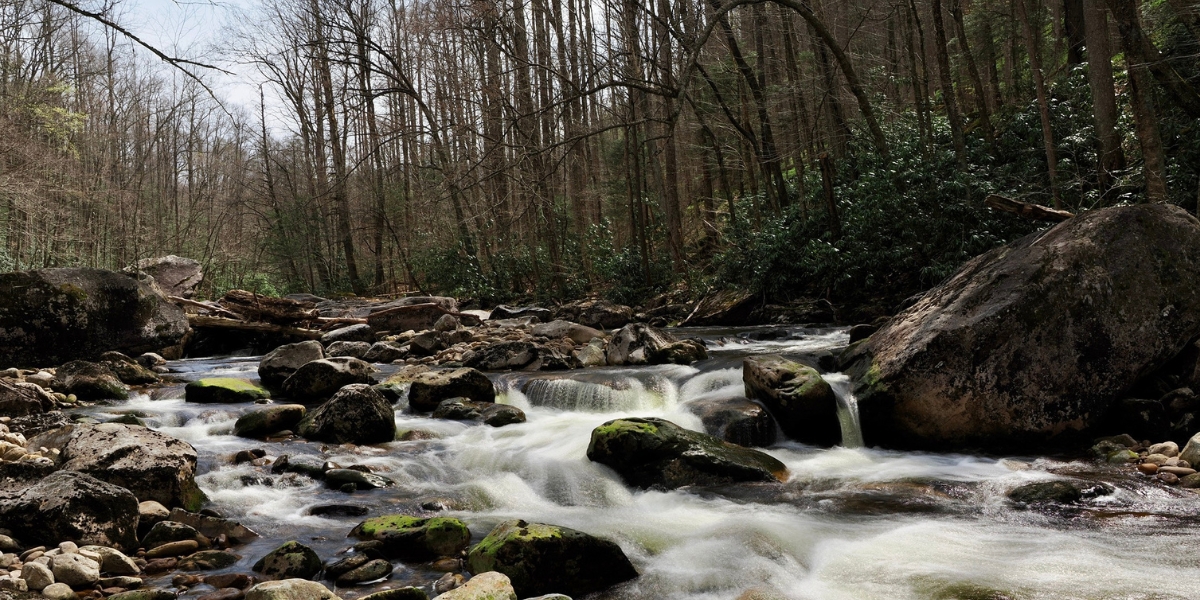
These 16 West Virginia waterways are free-flowing. These waterways are remarkably beautiful, have remarkable recreation values, protect remarkable West Virginia aquatic species, and have remarkable histories. This is an idea that protects our legacy, protects species, and can bring economic benefits to people, businesses, and communities in the Monongahela National Forest.
For starters, over 9% of the folks in the United States trace the ultimate source of their drinking water to Monongahela National Forest headwaters.
Wild and Scenic River designations in West Virginia also would protect wildlife and habitat. Connectivity of cold-water habitat would be preserved for sensitive, threatened and endangered aquatic species such as the Eastern brook trout, freshwater mussels, hellbenders, checkered sculpins and the candy darter. The West Virginia northern flying squirrel, Virginia big-eared bat, Indiana bat, Cheat Mountain salamander and other flora and fauna also depend on protected riparian habitat.
Wild and Scenic designation also means economic and recreational opportunities. West Virginia faces multiple economic challenges, including the need to find new opportunities for individuals and communities. Two direct economic benefits should result from enacting Wild and Scenic River designations for these 16 waterways.
First, there is the economic benefit of visitors who engage in outdoor recreation. Researchers Bowker and Bergstrom (2017) summarized 22 studies and found that the average recreational-use economic value of visits to Wild and Scenic Rivers is $99 per person, per day, or $1.62 per river mile per day. Visits to Wild and Scenic Rivers also generate indirect community economic benefits, such as increased employment in restaurants and other local businesses. Economic benefits also can be measured in terms of species diversity, ecosystem services and the restoration of fish or wildlife populations enhanced by protected rivers.
Secondly, private property values may increase because of proximity to a Wild and Scenic River. In one published study, property values rose for properties closer to a designated river, with as much as 42% of a property’s value derived from its proximity to a Wild and Scenic River.
For more than five years, West Virginia Rivers Coalition, the West Virginia Highlands Conservancy, and others have been working quietly to help folks learn about the importance of these 16 waterways, how the Wild and Scenic River Act can be used to protect species and benefit West Virginians, and to build support for Congressional action to safeguard them permanently.
We’ve held listening sessions and community meetings. Overwhelmingly, people said, ‘Protect the headwaters.’ Polling found 85% of West Virginia voters support permanent Wild and Scenic River designation for these headwaters. We’ve built a website with more information at www.wvwaterways.org, engaged with community groups and built relationships with the staffs of U.S. Sens. Shelley Moore Capito and Joe Manchin and Reps. Carol Miller and Alex Mooney.
In March 2026, we will go to Washington, D.C., to ask our elected officials to file, support and vote for the West Virginia Headwaters Legacy Act, which would add 492 river miles in West Virginia to the national list of Wild and Scenic Rivers.
We want to take you with us. There are two ways to join. First, we’re looking for one or two local Mon Forest residents — business owners, landowners, anglers or elected officials — to come to Washington with us. If you’re interested, email Mike Jones at mjones@wvrivers.org.
The other way to “go to Washington” is to sign the petition that we will present to West Virginia’s congressional delegation.
We’d like to take 1,000 of you with us to show Washington that we love our 16 waterways — and we want them protected. Please sign the petition here. Be part of the 1,000!