By C.A. Holmes
In the grand scheme of culture and politics in 2026, you would be forgiven for thinking environmental pursuits are not the most pressing issues facing the country. Compared with ongoing and impending wars, an ever-rising cost of living and a rogue Supreme Court, there’s almost too much happening to focus on any one thing.
Over the last year, though, a common thread seems to reveal itself consistently across nearly all issues. Our governments, from the national level to the local level, by and large are prioritizing commerce over the public good.
This pivot to a more brazen government money grab reminds me of something musician David Bazan wrote: “If it isn’t making dollars, then it isn’t making sense. If you aren’t moving units, then you’re not worth the expense.”
This isn’t necessarily news. Capitalism can be adverse to the public good and has often required regulation to alleviate predatory behavior, most notably through labor and antitrust laws. I won’t bore you with a history lesson on unionization and trust-busting, but I do want to dive into what may be their 21st-century analog: Big Tech’s AI and data centers, or, according to the governor of West Virginia, “intelligence centers.”
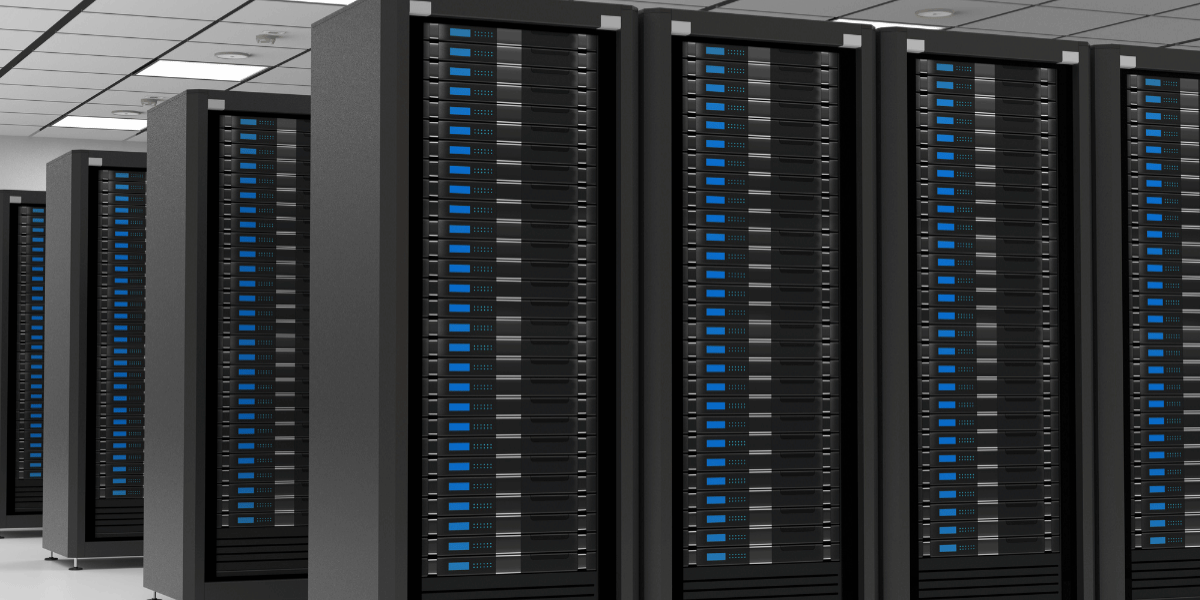
Big Tech refers primarily to the five largest technology companies in the world: Microsoft, Apple, Amazon, Alphabet (Google) and Meta (Facebook). All five of these companies rely on existing data center infrastructure to run their servers and provide cloud storage to their users.
This isn’t anything new. What is new is the push to build additional data centers to manage the potential usage demands of their AI product rollouts.
So why should you care? How does this affect you?
To put it plainly, our governments are providing tax incentives, nonpublic permits, land leases and resources to projects that will have definitive effects on our land, water and air quality. Data centers require a copious amount of energy and water. Some of that energy will be drawn from the existing grid, while many operators are building gas-fired power plants on-site to meet their energy needs.
Furthermore, the function of these “intelligence centers” is to further the capabilities of a software technology that has proven to be unreliable, biased, unpredictable and manipulative. Not to mention, the entire premise echoes multiple science-fiction films including 2001: A Space Odyssey, The Terminator series, Avengers: Age of Ultron, Blade Runner and The Matrix.
Many states across the country have begun to put forth legislation limiting or halting data center expansion. In Maine, the state Legislature passed LD 307, providing a moratorium on data center construction until November 2027. The bill was ultimately vetoed by the governor, who cited the lack of a specific exemption she desired. Consequently, the House failed to override the veto.
Michigan, a state already possessing between 65 and 70 operational data centers, has proposed HB 5594, which would establish the Data Center Regulation Act and provide a one-year moratorium on construction.
Maryland has passed the Utility RELIEF Act, imposing tax and energy restrictions on all data centers.
Delaware became the first state to pass specific transparency laws regarding data centers with SB 312. The bill prohibits state agencies, counties and municipalities from using nondisclosure agreements for data centers using 100 megawatts or more, thereby bringing public review into the process.
All of these states are engaged in internal debates, with pro- and anti-data center legislation being proposed during nearly every legislative session. West Virginia, on the other hand, seems to have no such internal struggle due to its supermajority House and Senate and a governor whose point of view has been made blatantly clear despite growing public concern.
In March, Gov. Patrick Morrisey said at a press conference announcing that Alphabet would be breaking ground on a 1,700-acre data center in Putnam County: “This is exactly the kind of opportunity we are working to bring here — one that creates jobs, strengthens infrastructure and positions West Virginia for long-term growth.”
Data centers notoriously have fewer than 20 permanent positions per site on average due to their operational needs. As a result, lawmakers consistently reference the number of construction jobs each site will require rather than the more honest long-term employment figures.
West Virginia seems determined to repeat past sins and offer up our land, health and quality of life in favor of short-sighted economic “growth.” The state continues passing tax incentives and repealing regulations under the guise of moving West Virginia forward while, in reality, betting our future on a story we’ve seen the ending of before.
Gov. Morrisey has changed the signs at the state’s borders to say, “Open for Business,” where they once said, “Wild and Wonderful.” I think this says everything about our government’s priorities.
Commerce over the public good.