FOR IMMEDIATE RELEASE
October 2, 2025
CONTACT:
Olivia Miller, Program Director, West Virginia Highlands Conservancy, olivia.miller@wvhighlands.org
Dan Radmacher, Media Specialist, Appalachian Voices, dan@appvoices.org
U.S. Forest Service terminated its authorization for bankrupt South Fork Coal Company, which had already idled operations
CHARLESTON, W.Va. — Late Wednesday, attorneys representing a coalition of conservation groups asked a judge to dismiss their case against the U.S. Forest Service. The lawsuit alleged the Forest Service had improperly authorized South Fork Coal Company to haul coal and mining equipment through West Virginia’s Monongahela National Forest, an area legally considered “unsuitable for mining” save for very narrow exceptions. This litigation is no longer needed as the Forest Service terminated South Fork Coal’s road use permit on Sept. 16.
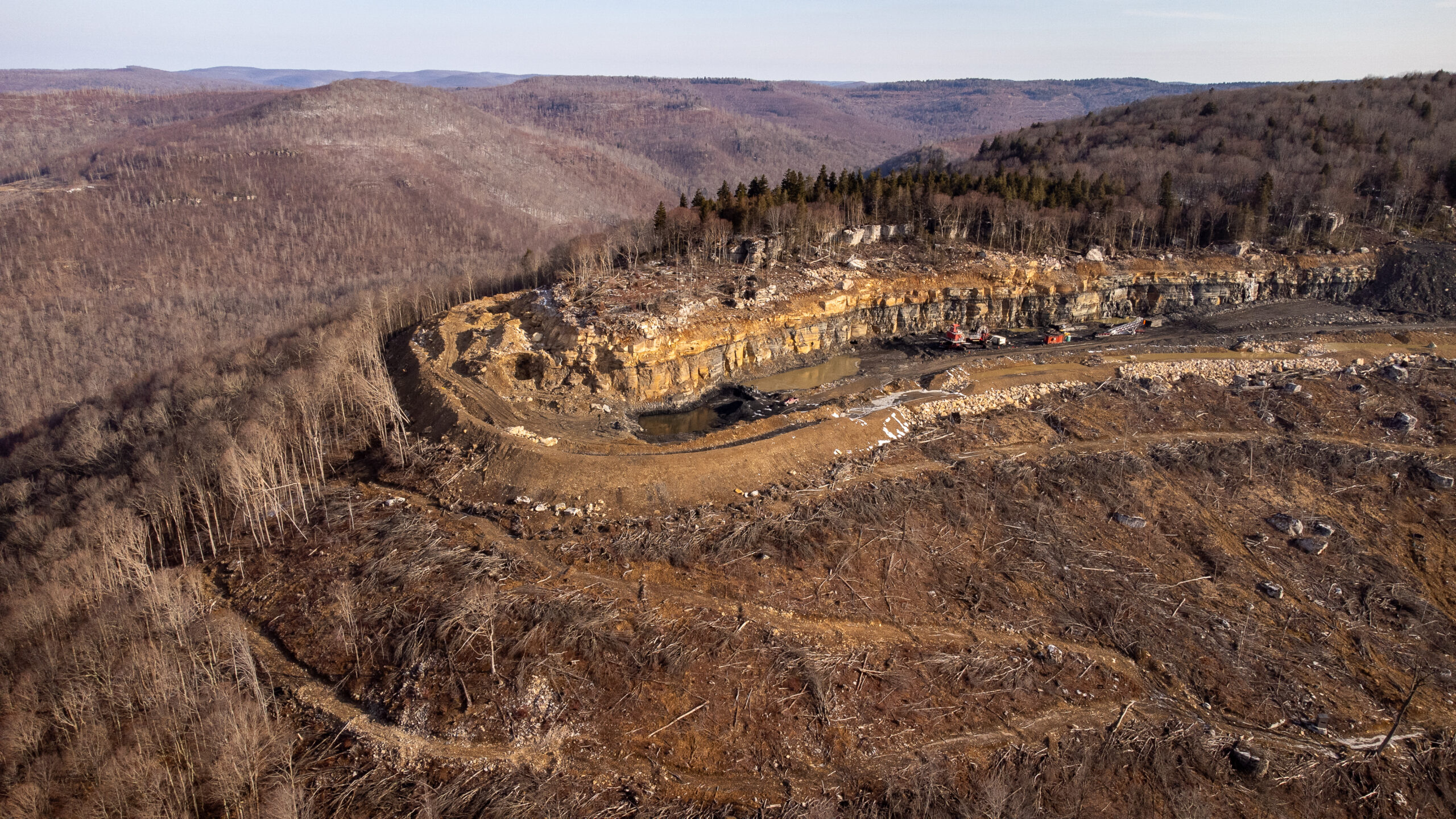
Since 2022, South Fork Coal Company had used Forest Service roads in order to access and operate the 1,100-acre Rocky Run Surface Mine, located just outside the national forest boundary. The company had ceased its use of these roads when it idled all operations earlier this year amidst its bankruptcy. The termination of the road use permit makes it much more difficult for the company to resume mining activities adjacent to the national forest. Recent cessation orders issued by the West Virginia Department of Environmental Protection further complicate any potential efforts by South Fork Coal or a buyer of the company’s mines to resume use of the forest service roads.
The USFS had granted South Fork Coal the Road Use Permit for hauling coal and equipment in the Monongahela National Forest in September 2021. Represented by attorneys with the Center for Biological Diversity and Appalachian Mountain Advocates, a coalition of statewide and regional organizations including Appalachian Voices, West Virginia Highlands Conservancy, the West Virginia chapter of the Sierra Club, Kanawha Forest Coalition and the Greenbrier River Watershed Association sued the Forest Service for issuing this permit without first completing required environmental impact reviews on Nov. 26, 2024. The permit terminated last month after South Fork Coal failed to submit a required annual operating plan.
On July 18, the U.S. Offices of Surface Mining Reclamation and Enforcement had granted Valid Existing Rights to South Fork Coal Company, another authorization required for the company to run equipment and coal through the Monongahela National Forest. The July Valid Existing Rights determination was predicated on the existence of the road use permit. Now that the permit has been terminated, the Valid Existing Rights determination is null. Both of these approvals are necessary for the company’s use of the Forest Service roads, which it needs to operate the Rocky Run Surface Mine.
“At long last, we have an opportunity to focus on the true potential of the South Fork Cherry River, a watershed that, if restored, could support world-class native trout fishing and provide lasting benefits for the surrounding communities,” said Olivia Miller, Program Director at the West Virginia Highlands Conservancy. “Now people can visit places like the Fork Mountain Trail and Briery Knob without having to contend with massive coal trucks and all the noise, dust, mud and hazards they create.”
But South Fork Coal Company’s operations continue to harm local waterways. In August and September, the West Virginia Department of Environmental Protection issued seven violations and two cessation orders against Rocky Run Surface Mine for problems related to water pollution and mine cleanup. This is in addition to August and September citations against three of the company’s other mines. State regulators also issued a violation and later a closure order against Haulroad #2, the coal hauling route that lawlessly crossed the Monongahela National Forest, as the impacts of massive coal trucks predictably led to excessive erosion.
“With the termination of the Road Use Permit and the idling of South Fork’s operations, it is now time to turn our efforts towards remediating the South Fork Cherry River watershed,” said Willie Dodson, Coal Impacts Program Manager at Appalachian Voices. “The West Virginia DEP should have never allowed such destructive mining to take place here, but they did. It is now the DEP’s responsibility to ensure that these mines are reclaimed and that the Cherry River can recover from all the metals and sediment that South Fork Coal’s operations released over the years.”
A separate lawsuit filed by conservation groups against South Fork Coal over dozens of violations of water quality and reclamation requirements remains on pause due to South Fork Coal’s bankruptcy. Conservation groups also remain engaged in administrative proceedings within the Department of the Interior challenging previous regulatory decisions regarding South Fork Coal’s operations and the company’s use of national forest roads.
“For years, the agencies entrusted with protecting our public lands shamefully rubber-stamped South Fork Coal’s scheme instead of upholding federal law,” said Andrew Young, Staff Attorney for the Allegheny-Blue Ridge Alliance. “The Forest Service fought us in court instead of conducting the required environmental reviews, all while the company strip-mined and desecrated treasured national forest and critical habitat. Public lands are a pillar of the American experiment, held in trust for all citizens, and we will not allow an outlaw coal company to pillage these landscapes just to enrich corporate shareholders. We stand at a crossroads. It’s time to embrace a better vision for these mountains, one built on restoration jobs, a thriving outdoor recreation economy, clean water, resilient forests, and a deep love for the land.”
The Center for Biological Diversity also posted a press release about this development.
MEDIA:
Rocky Run Surface Mine (Frank Gebhard, Allegheny Aperture Photo)